Skip to main content.
Bard
  • Bard College Logo
  • Academics sub-menuAcademics
    • Programs and Divisions
    • Structure of the Curriculum
    • Courses
    • Requirements
    • Academic Calendar
    • College Catalogue
    • Faculty
    • Bard Abroad
    • Libraries
    • Dual-Degree Programs
    • Bard Conservatory of Music
    • Other Study Opportunities
    • Graduate Programs
    • Early Colleges
  • Admission sub-menuAdmission
    • Applying
    • Financial Aid
    • Tuition + Payment
    • Campus Tours
    • Meet Our Students + Alumni/ae
    • For Families / Familias
    • Join Our Mailing List
    • Contact Us
  • Campus Life sub-menuCampus Life
    Living on Campus:
    • Housing + Dining
    • Campus Services + Resources
    • Campus Activities
    • New Students
    • Visiting + Transportation
    • Athletics + Recreation
    • Montgomery Place Campus
  • Civic Engagement sub-menuCivic Engagement
    Bard CCE
    • Engaged Learning
    • Student Leadership
    • Grow Your Network
    • About CCE
    • Our Partners
    • Get Involved
  • Newsroom sub-menuNews + Events
    • Newsroom
    • Events Calendar
    • Press Releases
    • Office of Communications
    • Commencement Weekend
    • Alumni/ae Reunion
    • Family and Alumni/ae Weekend
    • Fisher Center + SummerScape
    • Athletic Events
  • About Bard sub-menuAbout
      About Bard:
    • Administration
    • Bard History
    • Campus Tours
    • Mission Statement
    • Love of Learning
    • Visiting Bard
    • Employment
    • Support Bard
    • Global Higher Education Alliance
      for the 21st Century
    • Bard Abroad
    • The Bard Network
    • Inclusive Excellence
    • Sustainability
    • Title IX and Nondiscrimination
    • Inside Bard
    • Dean of the College
  • Giving
  • Search
Bard Office of Sustainability

News and Events

BOS Menu
  • About Us
  • Academics + Research
  • Inits sub-menuSustainability Initiatives
    • Energy + Climate
    • Transportation
    • Responsible Consumption
    • Food, Water + Land Use
    • Planning + Administration
    • Engagement
    • Global Goals
  • Involve sub-menuGet Involved
    • Sustainability Council
    • BardE3's
    • BardEATS
    • Bard Farm
    • Socially Responsible Investment Committee
  • News + Events
  • Home

Sustainability News

A man in a blue checked shirt smiles at the viewer.

Research by Bard Professor Gidon Eshel Featured in the New York Times

The article explored whether grass-fed beef was better for climate than grain-fed.

Research by Bard Professor Gidon Eshel Featured in the New York Times

A man in a blue checked shirt smiles at the viewer.
Gidon Eshel, research professor of environmental and urban studies at Bard.
A study led by Gidon Eshel, research professor of environmental and urban studies at Bard College, was featured in the New York Times in an article exploring whether grass-fed beef was better for climate. The study, published last March in the Proceedings of the National Academy of Sciences, found that grass-fed beef did not hold a carbon emissions benefit compared to grain-fed beef. While grazing can store carbon in the soil, the study showed that this did not outweigh the methane that cows produce. “We wanted to see exactly how the numbers add up,” Eshel told the Times. “The bottom line answer is that they mostly don’t.”

Students in all divisions of Bard College can concentrate in Environmental Studies. The program is based on the conviction that our planet’s most urgent problems—including climate change, biodiversity loss, and the inequities of our built environments—call for holistic knowledge of both human and natural systems. The curriculum offers a grounding in core topics in environmental studies alongside cross-listed courses on topics from nature writing to urban geography, from food systems to contemporary Indigenous art, and from planetary thinking to local community engagement.
Read more in the New York Times

Post Date: 01-13-2026
A group of students sitting at tables on a wooden patio.

Bard Earns Two Awards in Sustainability

The College earned a STARS Gold rating and the MBA in sustainability was ranked the best green MBA by the Princeton Review.

Bard Earns Two Awards in Sustainability

A group of students sitting at tables on a wooden patio.
Bard College has recently been recognized for its commitment to sustainability by two organizations. This July, the College earned a Gold rating from the Sustainability Tracking, Assessment and Rating System (STARS). This nationwide group ranks colleges based on all aspects of sustainability on their campuses, from academic buildings to dining and events planning. Bard’s report included its participation in the Race 2 Zero Waste food scrap conservation program, where it placed first in the food organics Small College category.

Bard’s MBA in sustainability was also ranked the best green MBA by the Princeton Review for the fifth year in a row. The list is based on student ratings of how well their MBA “prepares them to address environmental, sustainability, and responsibility issues in their careers.” Bard’s MBA is based in New York City and utilizes a hybrid curriculum to prepare students for critical social and environmental challenges. “At a time when clean energy and climate change action, organizational justice, reducing plastics and toxic pollution, and enhancing the planet’s biodiversity are all under political attack, Bard remains the leading MBA focused on embedding sustainability as simply good business,” said MBA Director Dr. Eban Goodstein.
Bard Ranked Best Green MBA for 2025

Post Date: 08-13-2025
A woman speaks in front of a tree surrounded by lush greenery

Burpee Trial Garden Project at Montgomery Place Featured in the Daily Catch

The summer garden students will continue their work through August tending the plots, recording observations on iPads, and sharing their findings in real time with Burpee’s plant breeders. 

Burpee Trial Garden Project at Montgomery Place Featured in the Daily Catch

A woman speaks in front of a tree surrounded by lush greenery
Bard student Violet DiBiasio ’27. Photo by Emily Sachar, Courtesy of the Daily Catch
The Burpee Trial Garden, a seed test garden and horticultural research site at Bard’s Montgomery Place campus, has been featured in the Daily Catch. The garden, in its first season, is currently being tended to by three Bard students, Violet DiBiasio ’27, Max Frackman ’27, and Mikhal Terentiev ’26, who are undertaking horticultural research and hands-on scientific investigations with real-world applications in the Hudson Valley and beyond. “This project is helping Bard restore and revive the historic formal gardens at Montgomery Place, and help gardeners in the process,” Amy Parrella, Bard Arboretum director, told the Daily Catch. “Gardening has been proven to alleviate stress and have therapeutic and healing results. And this opportunity will help students to cultivate their passion for plants and inspire their commitment to nurture their environment.” Trial gardens measure how well a specific cultivar or variety will perform in a specific area or growing condition, and the garden at Bard is supported by a $1 million grant that is being paid over four years from the Burpee Foundation. The summer garden students will continue their work through August tending the plots, recording observations on iPads, and sharing their findings in real time with Burpee’s plant breeders. 

Further Reading:

https://www.bard.edu/news/bard-college-receives-1-million-grant-from-burpee-foundation-to-support-creation-of-trial-garden-at-montgomery-place-campus-2024-06-18
 
Read the Full Article in the Daily Catch

Post Date: 08-05-2025

Sustainability News by Date

View Current
 
View by Year/Month
  Search:
Results 1-2 of 2

October 2018

10-15-2018
Study Finds Potential Benefits of Wildlife-Livestock Coexistence in East Africa
Study, Reported in the Journal Nature Sustainability, Led by Felicia Keesing of Bard College and Brian Allan of the University of Illinois

A study of 3,588 square kilometers of privately owned land in central Kenya offers evidence that humans and their livestock can, in the right circumstances, share territory with zebras, giraffes, elephants and other wild mammals—to the benefit of all.

The study, reported in the journal Nature Sustainability, focused on Laikipia County in central Kenya.

“Laikipia County hosts 10 percent of Kenya’s wildlife, but none of the country’s national parks or preserves,” says University of Illinois entomology professor Brian Allan, who led the study with Bard College professor Felicia Keesing. “Most people depend on livestock for income and almost 70 percent of the land is devoted to large-scale ranching or pastoralism.” 

As human populations increase, so does the pressure to expand agricultural and pastoral areas into grasslands now dominated by wildlife.
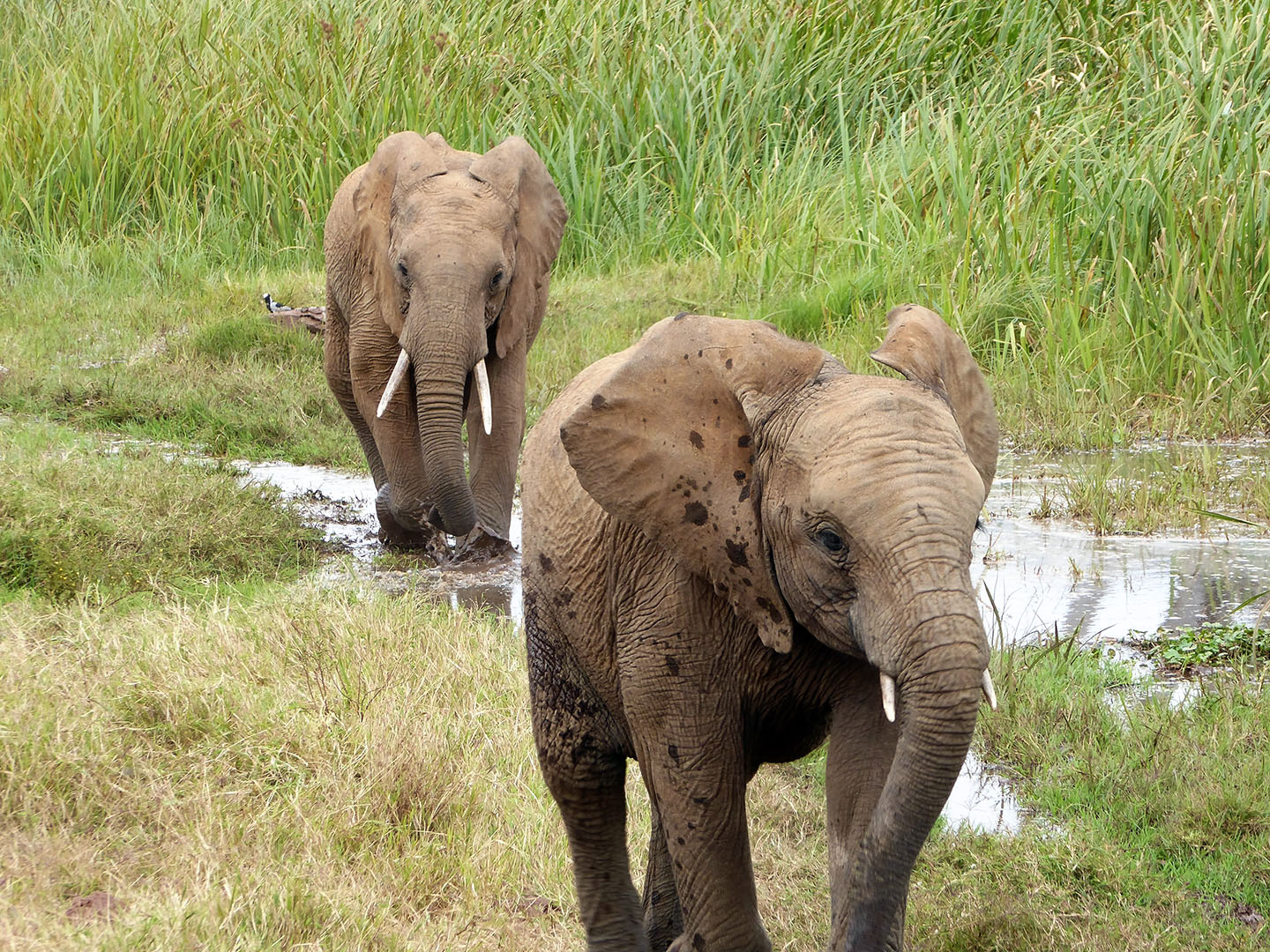
 
Photo by Michael Jeffords and Susan Post.
Wildlife tourism is another source of revenue for landowners, however, as the area hosts exotic white and black rhinoceroses, Grevy’s zebras, and painted dogs, notes Keesing.

“This is leading some to remove traditional barriers between livestock and wildlife because there are benefits to having multiple sources of income,” she says.

There are big potential downsides to allowing livestock and wildlife to share territory, however, the researchers say. Wild cats sometimes prey on domestic animals. Wildlife and livestock may compete for water and grazing resources. They also can share diseases, including tick-borne infections like East Coast fever, Q fever, and bovine anaplasmosis.

“There is no greater diversity of tick species anywhere on the earth than in eastern and southern Africa,” Allan says. “And many of the ticks are host generalists, meaning they’ll happily feed on a cow, a gazelle or a zebra—and they’ll also bite humans.”
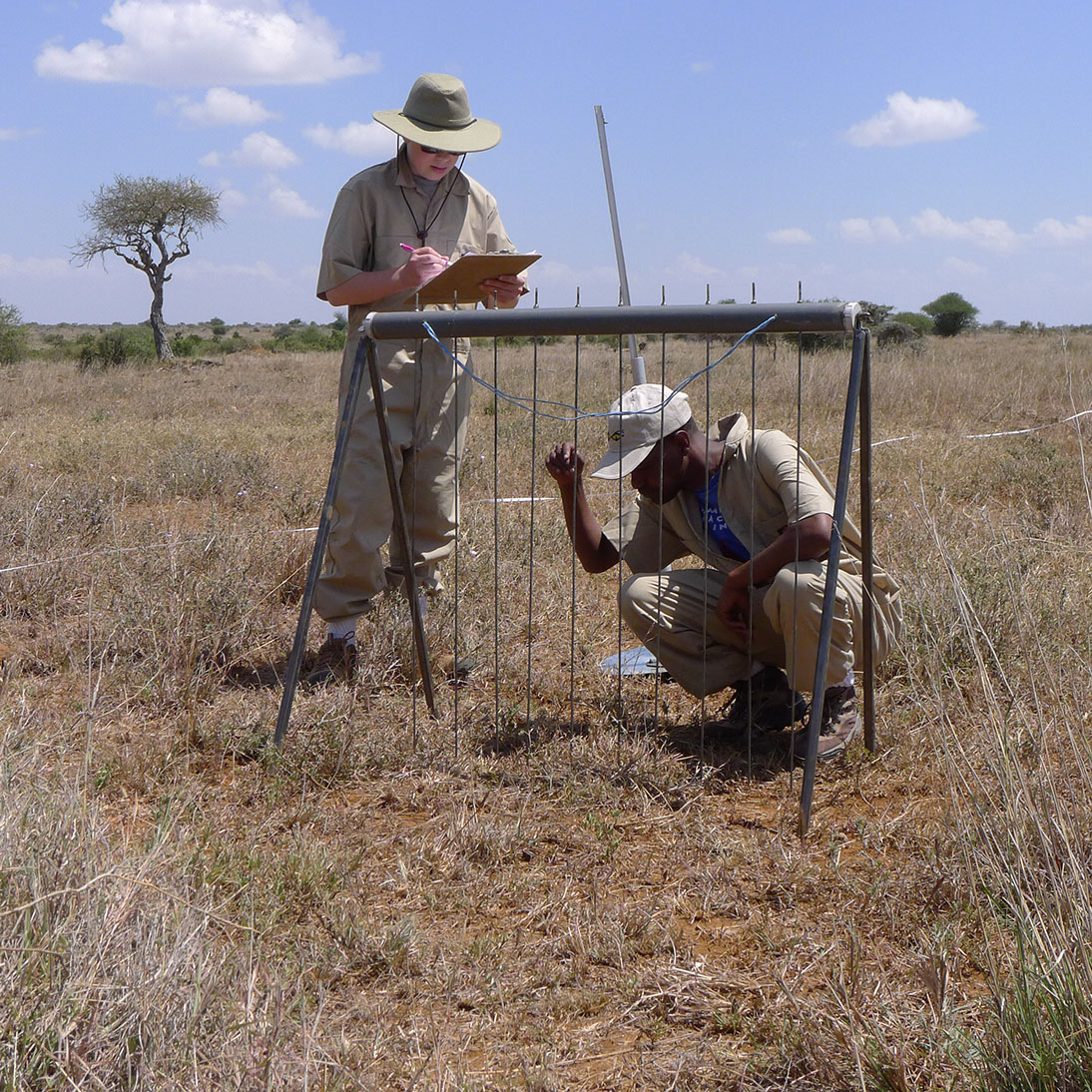
 
Photo courtesy of Felicia Keesing.
To determine the ecological and economic effects of raising livestock on territory also used by wildlife, the researchers surveyed tick abundance, vegetation, and the dung of large herbivorous mammals on 23 Laikipia County properties during July and August in 2014 and 2015.

“We identified the ticks and sequenced DNA of tick-borne pathogens to identify infectious agents associated with the ticks,” says Keesing. The team also interviewed managers and owners of each property about the type and abundance of livestock on their land and the percentage of revenue derived from wildlife tourism and livestock operations.

The researchers found that the practice of regularly spraying cattle with acaricides, which kill ticks without directly endangering birds or other creatures that feed on ticks, dramatically reduced the number of ticks in the grazed areas.

“Reducing the number of ticks is one key part of a strategy to reduce the transmission of tick-borne diseases,” says Keesing. “These diseases can sicken and kill people, livestock, and wildlife, which is particularly devastating in a vulnerable ecosystem experiencing many competing demands.”
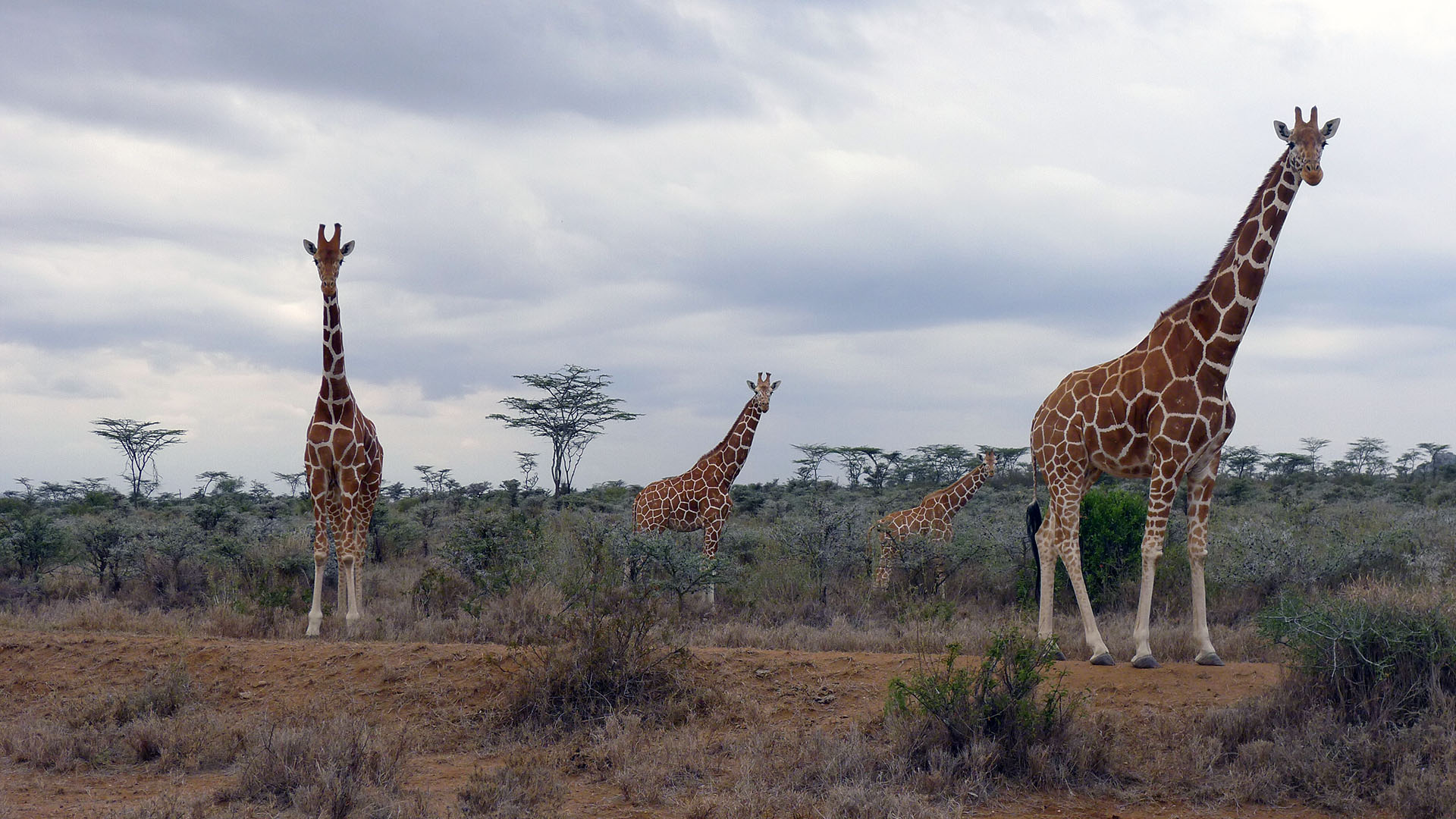
 
Photo by Michael Jeffords and Susan Post.
About 16 percent of the ticks collected at the study sites carried at least one bacterial or protozoal infection, the scientists found. There was no difference in the proportion of infected ticks found on properties devoted entirely to wildlife and those where wildlife and livestock were integrated. Tick abundance, however, was 75 percent lower on integrated properties than on those hosting only wildlife.

Livestock- and wildlife-related income accounted for more than 70 percent of revenue for the properties studied. Wildlife abundance was highest on properties with moderate densities of cattle—but not on land supporting sheep and goats, the researchers found. There was also less green grass on livestock-only and wildlife-only properties than on land shared by both, and the quality of the forage was highest on integrated lands.

These findings suggest that certain management practices can enhance the viability of livestock operations while also maximizing wildlife abundance and health on the same lands, the researchers say.
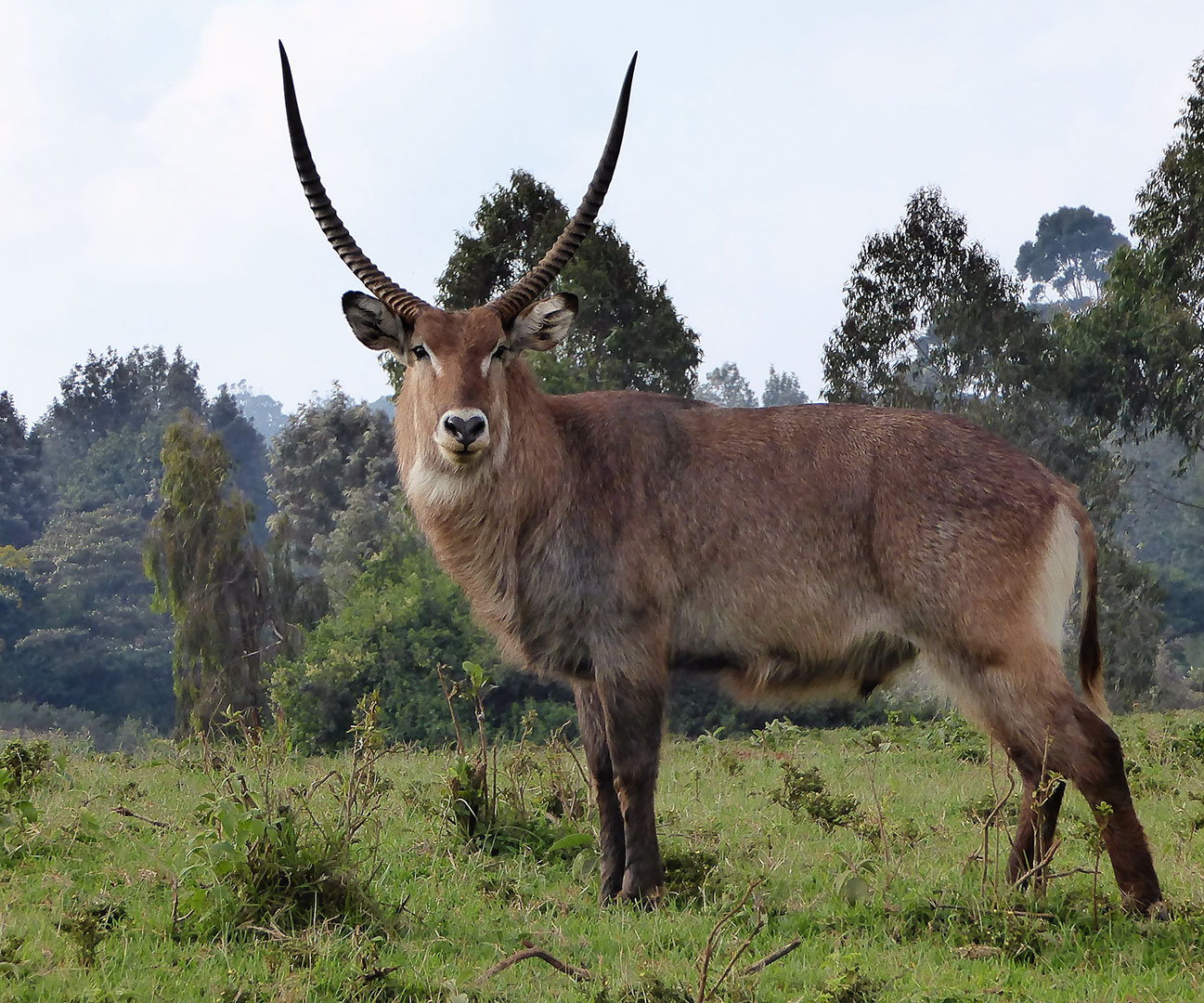
 
Photo by Michael Jeffords and Susan Post.
“It has been the attitude of conservationists that conservation lands must be kept secure and undisturbed from human uses, including livestock production, and I can sympathize with that perspective,” Allan says. “But our data are starting to suggest that there could be circumstances where livestock-wildlife integration can work—for the benefit of all. A productive savanna ecosystem may be the perfect place to try it.”

“This project demonstrates that research on the complex interactions of natural and human systems can foster innovative management strategies to preserve environmental quality and economic productivity,” says Tom Baerwald, a program director for the National Science Foundation’s Dynamics of Coupled Natural and Human Systems program, which funded the research. “The findings are applicable in many parts of the United States and in other regions around the world."

The National Science Foundation and the University of Illinois at Urbana-Champaign support this research.

For more information, visit dx.doi.org/10.1038/s41893-018-0149-2.
Photo: Bard professor Felicia Keesing with her son and colleagues in Kenya.

Photos by Felicia Keesing.
Meta: Subject(s): Division of Science, Math, and Computing,Environmental and Urban Studies Program,Environmental/Sustainability | Institutes(s): Bard Undergraduate Programs |
10-15-2018
Study Finds Potential Benefits of Wildlife-Livestock Coexistence in East Africa
The study, reported in the journal Nature Sustainability, was led by Felicia Keesing of Bard College and Brian Allan of the University of Illinois.
Read More

Meta: Type(s): Faculty | Subject(s): Division of Science, Math, and Computing,Environmental/Sustainability | Institutes(s): Bard Undergraduate Programs |
Results 1-2 of 2
Bard College
30 Campus Road, PO Box 5000
Annandale-on-Hudson, New York 12504-5000
Phone: 845-758-6822
Admission Email: [email protected]
Information For
Prospective Students
Current Employees
Alumni/ae 
Families

©2026 Bard College
Quick Links
Employment
Travel to Bard
Search
Support Bard
Bard IT Policies + Security
Bard Privacy Notice
Bard has a long history of creating inclusive environments for all races, creeds, ethnicities, and genders. We will continue to monitor and adhere to all Federal and New York State laws and guidance.
Like us on Facebook
Follow Us on Instagram
Threads
Bluesky
YouTube